
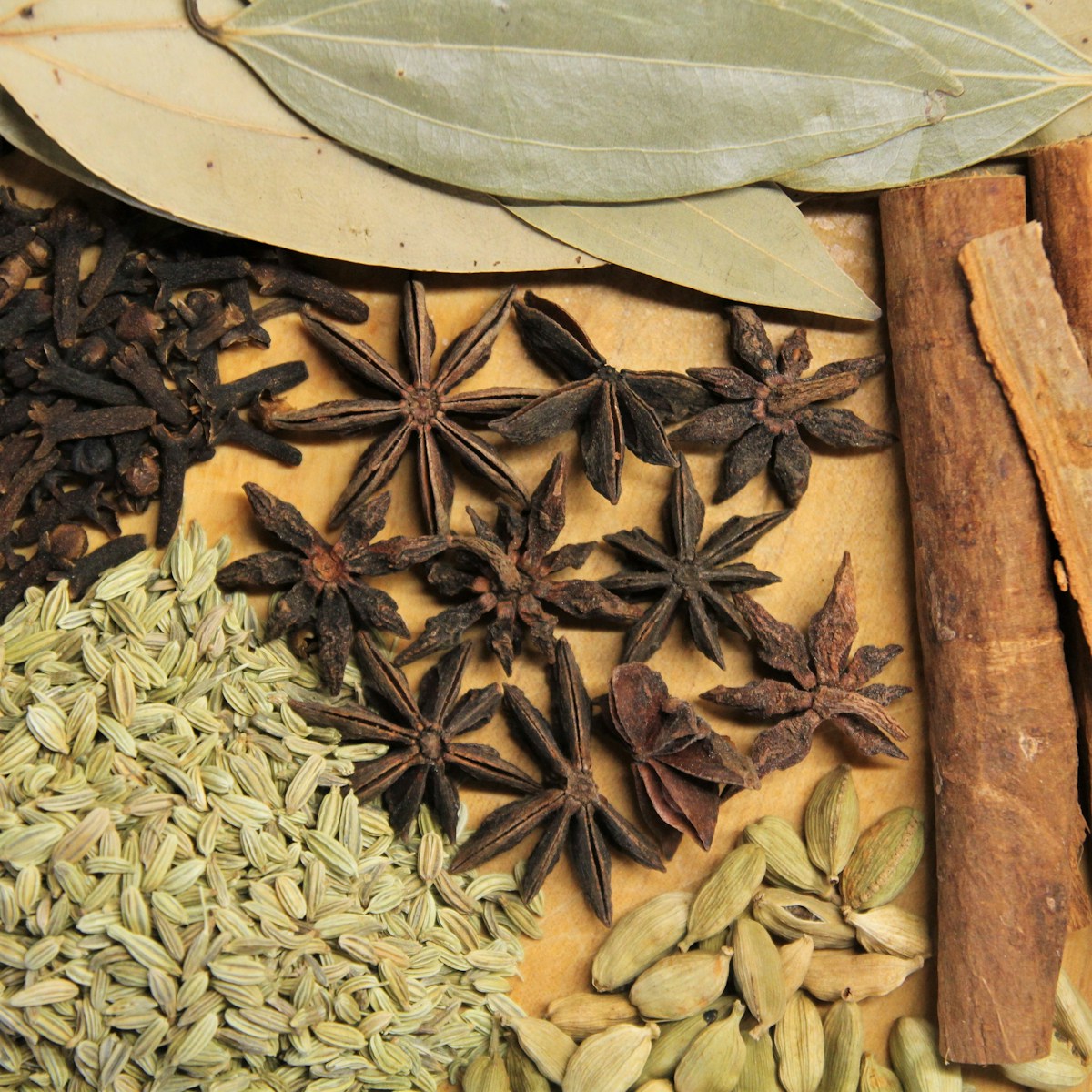
The wisdom of herbal traditions has been a cornerstone of Eastern cultures for millennia, shaping not only medical practices but also the very fabric of daily life. From the ancient texts of Traditional Chinese Medicine (TCM) to the rich tapestry of Ayurvedic practices in India, herbal remedies have been revered for their potential to heal and restore balance within the body. This article delves into the historical roots of these practices and examines their efficacy in contemporary healthcare, highlighting the enduring relevance of herbal wisdom in our modern world.
The Historical Roots of Herbal Practices in Eastern Cultures
Herbal practices in Eastern cultures can be traced back thousands of years, with some of the earliest records found in ancient Chinese texts such as the "Shennong Bencao Jing," attributed to the legendary Emperor Shennong. This foundational work categorised over 300 medicinal plants and laid the groundwork for TCM, which emphasises the balance of Yin and Yang and the flow of Qi (vital energy) within the body. Similarly, Ayurveda, with its origins in the Vedic texts of India, has a rich history of utilising herbs to promote health and prevent disease, focusing on the individual’s constitution (dosha) and the interplay of bodily systems.
In addition to these well-documented traditions, many Eastern cultures have their own indigenous herbal practices that have evolved over centuries. For instance, in the Caribbean, the use of local flora for medicinal purposes has been passed down through generations, often blending African, Indigenous, and European influences. This syncretism has resulted in a unique approach to herbal medicine that is deeply rooted in the cultural identity of the region. The knowledge of these practices is often held by community elders and herbalists, who serve as custodians of this invaluable wisdom.
The historical significance of herbal practices is not merely academic; it reflects a holistic understanding of health that prioritises prevention and the interconnectedness of body, mind, and spirit. This perspective has been instrumental in shaping healthcare systems in Eastern cultures, where herbal remedies are often integrated with other therapeutic modalities such as acupuncture, massage, and dietary adjustments. As we explore the efficacy of these traditional remedies today, it is essential to acknowledge the cultural contexts from which they arise and the wisdom they embody.
Analyzing the Efficacy of Traditional Herbal Remedies Today
In recent years, there has been a resurgence of interest in traditional herbal remedies, driven by a growing recognition of their potential benefits in modern healthcare. Scientific research has begun to validate many of the claims associated with these remedies, with studies demonstrating the efficacy of herbs such as ginseng, turmeric, and ginger in managing various health conditions. For instance, curcumin, the active compound in turmeric, has been shown to possess anti-inflammatory and antioxidant properties, making it a valuable adjunct in the treatment of chronic diseases such as arthritis and cardiovascular conditions.
Moreover, the integration of herbal medicine into contemporary healthcare practices is becoming increasingly common. Many healthcare professionals are now recognising the importance of a holistic approach that includes herbal remedies as part of a comprehensive treatment plan. This shift is particularly evident in integrative medicine, where practitioners combine conventional treatments with complementary therapies, including herbal medicine, to enhance patient outcomes. The collaboration between herbalists and medical professionals can lead to more personalised care, addressing not only the symptoms of illness but also the underlying causes.
However, it is crucial to approach the use of herbal remedies with caution and respect for their potency. While many herbs have demonstrated therapeutic benefits, they can also interact with conventional medications and may not be suitable for everyone. Rigorous scientific evaluation and standardisation of herbal products are essential to ensure safety and efficacy. As we continue to explore the wisdom of Eastern herbal traditions, it is imperative to bridge the gap between ancient knowledge and modern science, fostering a dialogue that respects both the historical context and the contemporary application of these time-honoured practices.
The exploration of herbal traditions from Eastern cultures reveals a profound understanding of health and wellness that has stood the test of time. As we navigate the complexities of modern healthcare, the integration of these ancient practices offers valuable insights into holistic healing. By honouring the historical roots of herbal medicine and critically analysing its efficacy today, we can cultivate a more comprehensive approach to health that respects both tradition and innovation. The wisdom of the Orient continues to inspire and inform our journey towards restorative health and wellbeing, reminding us of the enduring power of nature in our quest for balance and vitality.
Stay Informed with Our Herbal Insights
Enjoyed this article?
Enter your email below to receive regular summaries of our latest blog posts, keeping you updated on herbal health tips, news, and exclusive offers—directly to your inbox.
Comments are closed for this post.